This guide details the entire process of obtaining apostille certification for Philippine hospital documents.
It applies to all medical documents, including hospital admission certificates, discharge certificates, medical diagnoses, surgical certificates, pathology reports, vaccination records, health certificates, and newborn birth records.
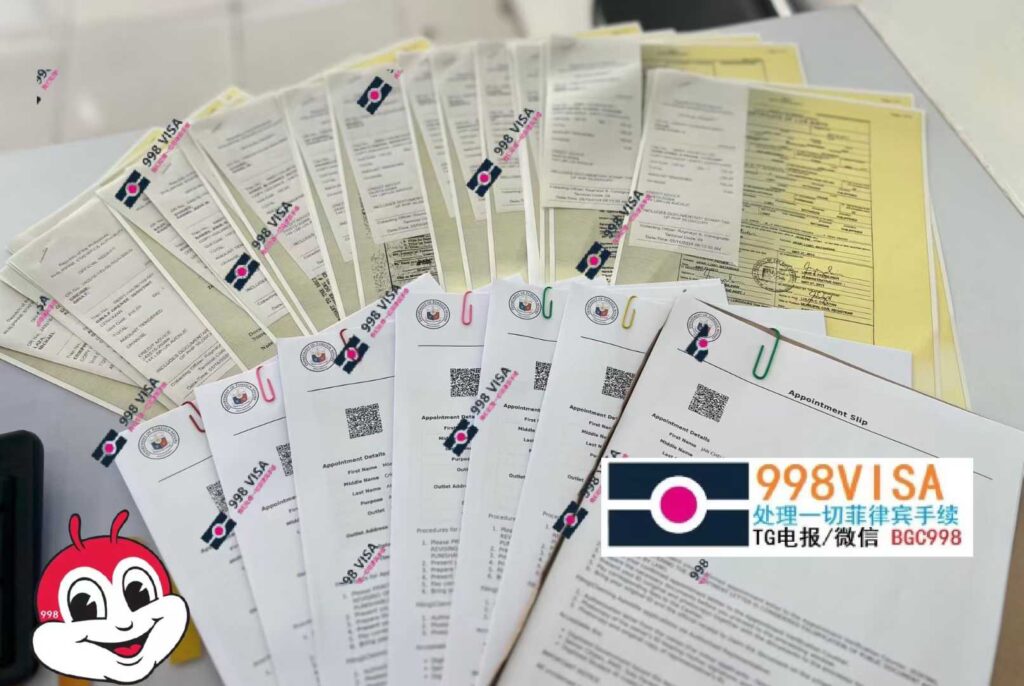
I. Basic Requirements for All Hospital Documents
Regardless of the type of hospital certificate, to submit it to the DFA for Hague Apostille, the following requirements must be met:
- Doctors' handwritten or electronic signatures must be authentic and verifiable.
- The hospital must affix its official seal (Hospital Official Seal).
- The documents must be originals; photocopies are not accepted.
- The hospital must be a licensed institution accredited by the DOH (Philippine Department of Health).
If the hospital stamp is missing or the doctor's signature is not standardized, DFA will return the application directly.
II. Three Pre-Apostille Procedures for Philippine Hospital Documents:
Hospital documents cannot be submitted directly to the DFA and must go through the following three-step authentication process:
Step 1: Hospital Confirmation and Document Formalization
– The hospital's Medical Records department will reconfirm the information
– Doctor's signature registration and seal comparison
– If necessary, the hospital will reissue an official version (especially for older documents).
Step Two: Notary Public
– Medical documents need to be notarized by a lawyer
– The notary public verifies the source, authenticity, and identity of the submitter
– Only after notarization do the documents have legal effect.
Step 3: Court Certification (Required for some documents)
– Certain hospital documents need to be sent to the RTC (Regional Trial Court)
– The notary public's qualifications are certified by the Clerk of Court
– Only after this is completed will the documents be accepted by the DFA.
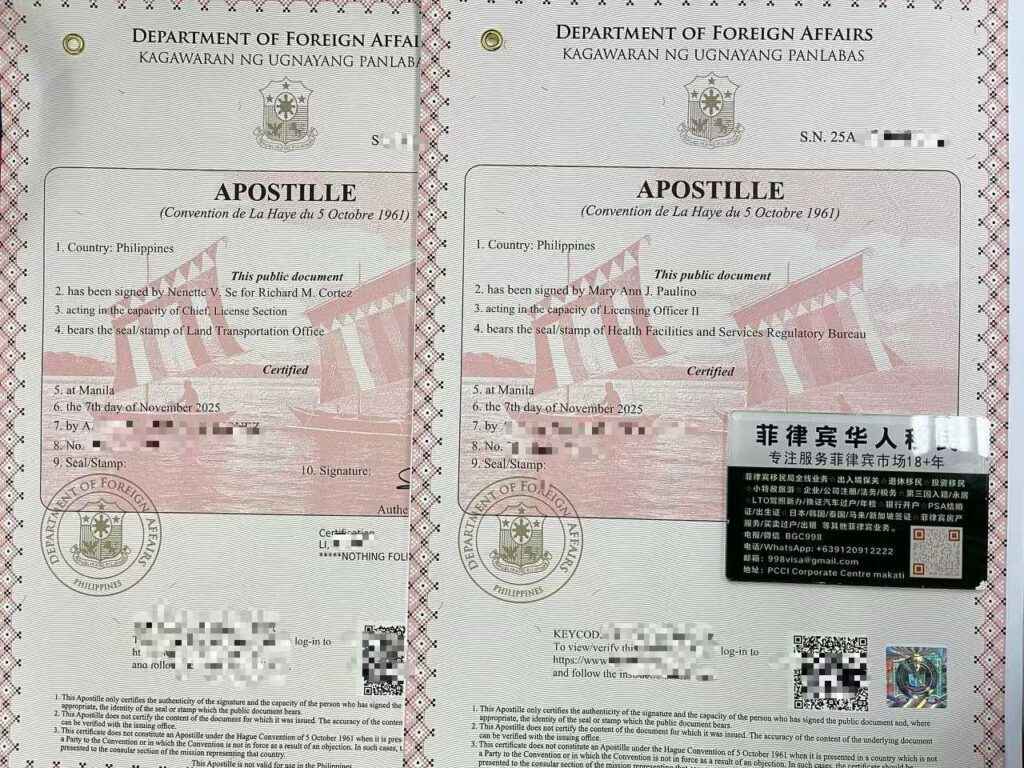
Not all documents require court authentication, but most medical certificates (especially those used for immigration, consular, and judicial purposes) require RTC authentication.
3.
After obtaining Apostille notarization and (if necessary) court authentication from the Philippine Department of Foreign Affairs (DFA), the documents can be submitted to the DFA.
DFA Processing Procedure
– Submit complete documentation: notarized documents, original hospital documents, and supporting documents
– DFA reviews signature samples, seals, and lawyer's authentication chain
– Apostille (Hague Apostille) label is affixed
– Processing time: 3–7 business days
– Expedited: Some counters can process same-day or next-day orders (depending on availability and category)
Once the apostille is completed, the document will be available in all Hague member states.
IV. Special Considerations for Hague Apostille of Various Hospital Documents
The following are the key points for each of the eight document categories:
Certificate of Confinement
– Must be accompanied by hospital system records
– Commonly used for insurance, school applications, court proceedings, and immigration supplementary documents
– If the content is outdated, an updated version is required.
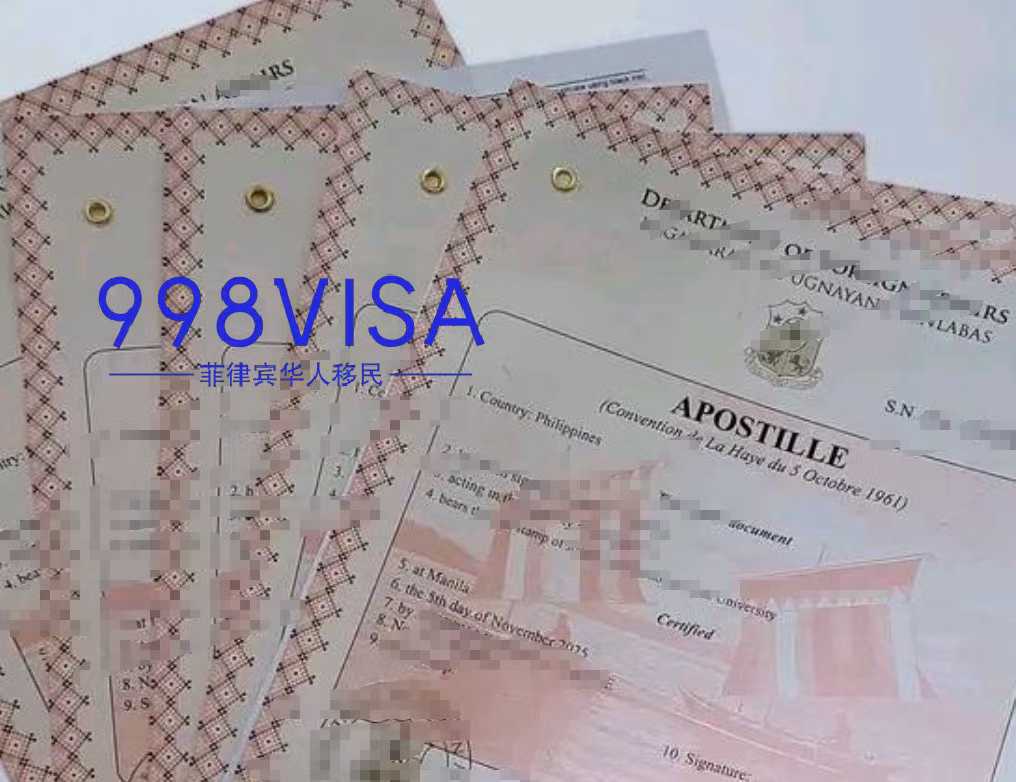
Discharge Summary
– Doctor's signature must be clear
– Applicable to medical reimbursement, legal purposes, and overseas insurance.
Medical Certificate
– the most common, required by institutions in China, Japan, and Europe
– if used for visa purposes, it must include a medical assessment and the doctor's PRC number.
Surgery Report
– Must be accompanied by a Procedure Record
– Doctor's signature must match PRC registration
– Commonly used for immigration, health insurance, and embassy documents.
Pathology reports
– mostly printed documents, requiring a declaration of authenticity from the hospital
– the DFA will strictly verify the hospital's departmental seal.
Vaccination Book
– EPI Book or Yellow Card can be used
– if for immigration (US/Canada), a complete record needs to be confirmed with the hospital.
Health certificate (Fit-to-Travel / Fit-to-Work
) – widely used for visas and departures
– must include the purpose of travel, dates, and doctor's qualifications.
Newborn Medical Birth Certificate
– This is a hospital-issued birth record, often used to replace a PSA birth certificate
– It must include a doctor's signature and delivery room records.
V. Scope of Application After Hague Apostille Certification
After completing the Apostille certification, it can be used for:
Overseas Immigration
– Study Abroad & School Registration
– Court and Legal Proceedings
– International Insurance Claims
– Health Screening for Overseas Employment
– Passport Document Replacement
– Birth Identity Verification
– Cross-border Medical Services
If the document is intended for use in mainland China, some documents will still require consular authentication by the Chinese embassy (as China has not joined the Hague Convention). I can generate a "China-use version processing guide" for you.
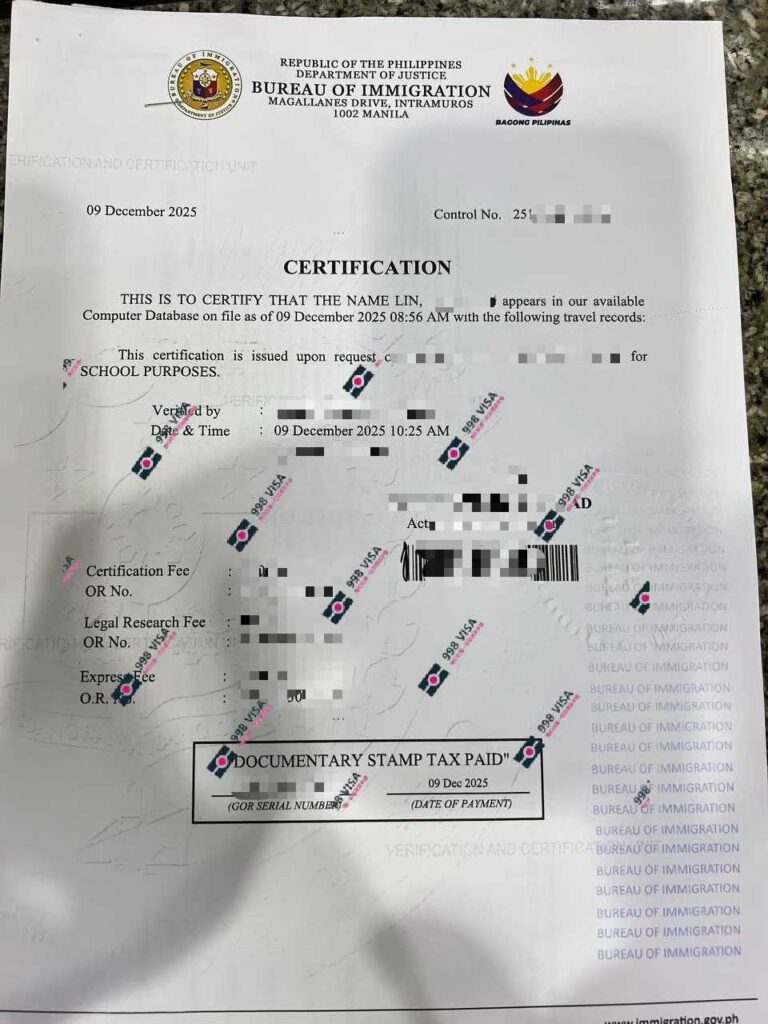
VI. For assistance with hospital liaison, document retrieval, notarization, and RTC and DFA Hague Apostille certifications,
please contact us if you require expedited processing or wish to avoid repeated trips to the hospital, notary office, and DFA.
Philippine Chinese Immigration (998VISA)
WeChat: BGC998 / VBW333
Telegram: @BGC998 / @VBW777
A registered company in Makati City, Philippines, with 19 years of experience, providing full-process services including hospital document retrieval, notarization, court authentication, DFA Hague Apostille certification and translation.
留言
發佈留言