Before applying for Philippine NTSP status verification
, it is essential to assess whether the applicant has any overstaying history. If overstaying is unsettled, the immigration system will automatically lock the NTSP application, preventing the issuance of documents. Overstay penalties are calculated based on the number of days and may involve additional fees; in severe cases, special permission (Order to Leave, Motion for Reconsideration) may be required. Therefore, a professional team should conduct a preliminary system check before application to confirm no overstays or complete settlement before formally submitting the application. This helps reduce rejections and ensures the documents can be used smoothly by banks, companies, and government agencies.
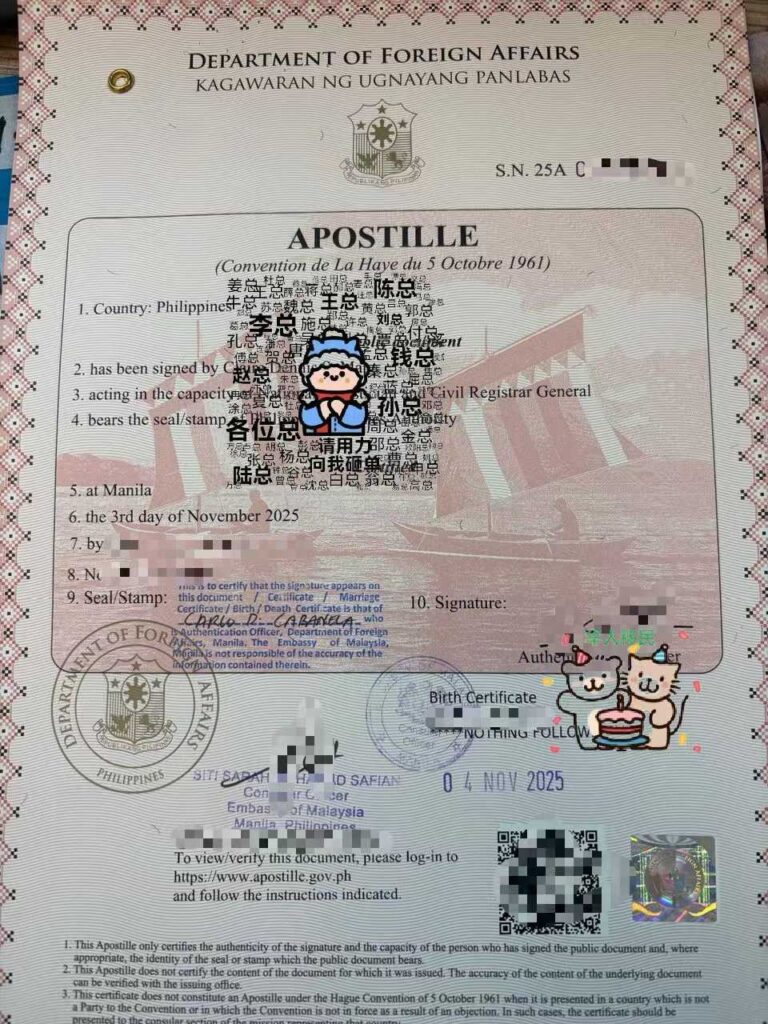
The Importance of Synchronizing Philippine NTSP Identity Documents with I-Cards:
The I-Card (Alien Resident Card) is a crucial identity index within the Bureau of Immigration's internal system. If an applicant fails to synchronize their I-Card information after renewing a visa, card, or passport, the system may be unable to correctly read visa records, resulting in missing NTSP content or the inability to generate it. For example, misalignment of old and new I-Card numbers, failure to link the next visa segment to the correct passport, or incorrect updates to ACR information can all affect the integrity of the NTSP. Applicants are advised to ensure their I-Card information is synchronized before applying for NTSP to avoid delays.
For foreigners residing in the Philippines long-term, frequently changing passports, or applying for multiple visas, the Bureau of Immigration will conduct a "Masterfile Verification" for their NTSP (National Resident Identity Card)
. This is an internal verification process that primarily checks the completeness and consistency of the applicant's main system records. If issues are found, such as duplicate identities, old passports not linked, new passports not linked, or different visa categories existing independently, the system will require the applicant to integrate their masterfiles. Masterfile verification typically takes several days to two weeks and must be completed before an NTSP can be officially issued. Therefore, applicants with complex records are advised to complete this process well in advance.
The Philippine NTSP (National Telecommunications Standard) is required for registration of foreign students at schools and educational institutions
. When registering at Philippine universities, language schools, or international schools, schools typically require an NTSP to verify the student's legal status and ensure there is no record of unauthorized stay. This is especially important when applying for student visas, Special Study Permits (SSPs), or renewing study permits. If the NTSP record shows gaps, errors, or an unrenewed visa, the school may suspend registration. Therefore, students planning to study in the Philippines should renew their NTSP annually.
For the Philippine NTSP (National Passport Requirement Service) identity verification,
the Bureau of Immigration has strict requirements regarding the clarity and completeness of passport pages during the NTSP application review process. If passport pages are torn, stamps are blurred, or information pages are faded, the system may be unable to accurately compare records, leading to application delays or the need for additional supporting documentation. In such cases, applicants may need to provide scans of their old passports, airline records, exit certificates, etc., to assist in verification. For those with damaged passports, it is recommended to replace the passport and complete the necessary procedures with the Bureau of Immigration before applying for the NTSP.
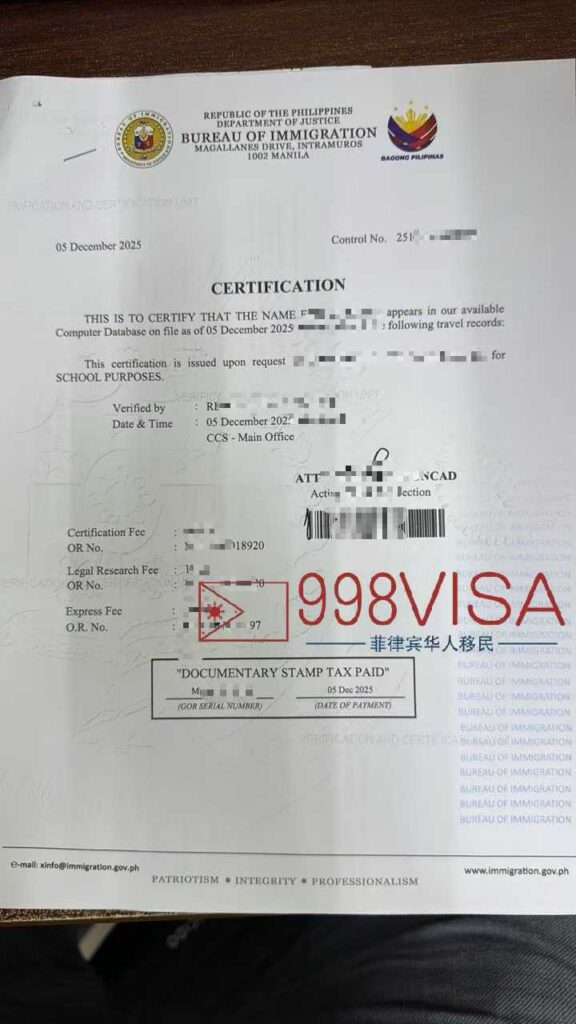
For Philippine NTSP (National Resident Identity Card) verification applications, family members
(such as spouses and children) can apply for NTSP simultaneously, but each person must submit their documents separately. The Bureau of Immigration will not issue a "family version" of the NTSP all at once. If family members use the same visa type (such as 13A, SIRV, SVEG, or SRRV), the system needs to verify that each person's record is complete and the visa is correctly linked. If some family members have not renewed their visas or updated their I-Cards for an extended period, it will affect the overall application processing time. Therefore, it is recommended that the family check their records together before submitting the applications collectively.
The Philippine NTSP (National Register of Financial Services) identity document is used by multinational banks and financial institutions
. Besides local Philippine banks, some foreign banks also require the NTSP when conducting background checks (KYC/AML) on Philippine residents. This is especially true when applying for global accounts, overseas investment accounts, or increasing international transfer limits; banks may require applicants to provide proof of their legal residency in the Philippines. Therefore, the authority and accuracy of the NTSP data are crucial. If the document needs to be submitted to overseas institutions, Apostille certification may also be required.
The processing of expedited NTSP (National Resident Identity Card) applications varies by office
; not all immigration offices offer expedited service. Typically, only the Manila Main Office has expedited processing capabilities, while local or airport immigration offices do not handle such applications. Expedited applications usually need to be submitted in the morning. If the system is functioning correctly and the record is complete, the application can be collected on the same day or the next day. Therefore, it is essential to ensure that the information is accurate and the visa status is valid; otherwise, expedited applications will automatically be converted to regular applications.
For some applicants applying for Philippine NTSP identity verification,
the Bureau of Immigration may require additional identity verification due to common names, frequent passport changes, or the existence of similar records in the system. This may include presenting old passports, multiple copies of visas, both sides of an I-Card, immigration receipts, photo comparison, and signature verification. This type of verification primarily prevents the system from mistakenly linking records to other people's names, ensuring the accuracy of NTSP identity verification.
The role of Philippine NTSP identification in legal arbitration:
In arbitration cases involving commercial disputes, property disputes, and contract disputes, lawyers often require applicants to provide their NTSP to prove their long-term residency and legal status in the Philippines. For example, it proves that the applicant was indeed in the Philippines for a certain period, maintained legal residency continuously, and had no overstay records. If submitted to an arbitration institution or court, it may also require notarization by a lawyer and apostille.
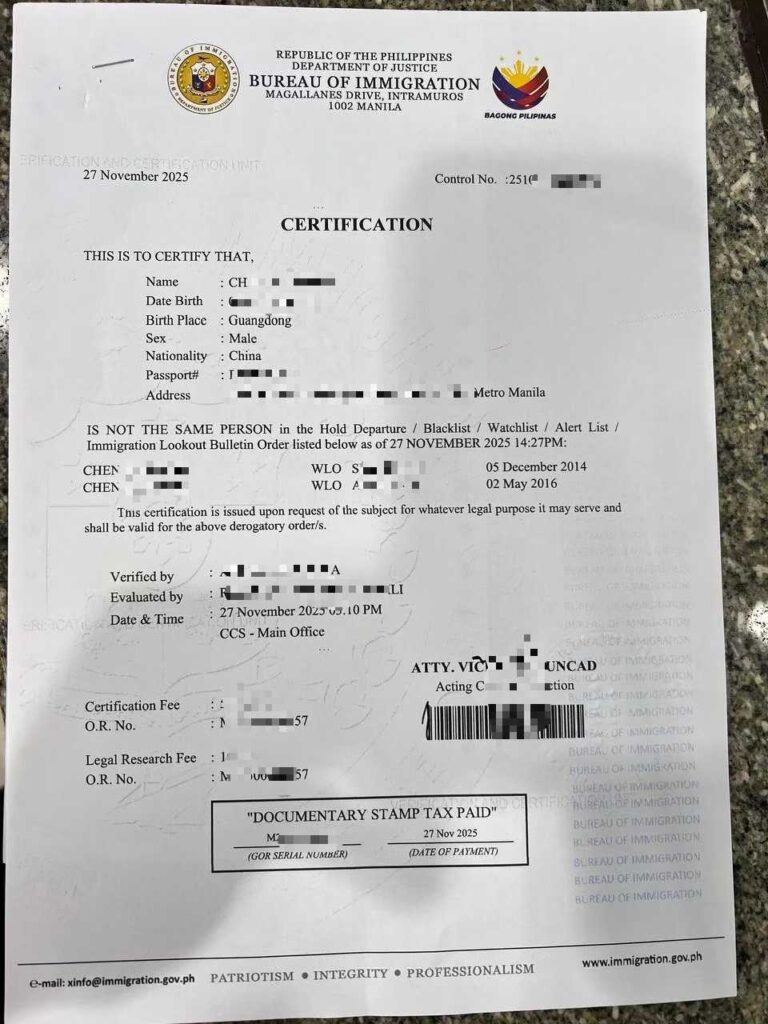
While the Bureau of Immigration issues a paper copy of the Philippine NTSP (National Resident Identity Card
), banks, government departments, and law firms often require an electronic copy for electronic verification. Applicants are advised to scan the original NTSP (including barcode and signature) for backup in case of online verification. The electronic copy must be clear and free of glare; otherwise, resubmission may be required.
For Philippine NTSP identity verification,
if an applicant's records are incomplete or visa renewals are delayed due to illness, force majeure, or humanitarian reasons, they can submit an "Affidavit of Explanation" to the Bureau of Immigration. This Affidavit, notarized by a lawyer, explains the reason for the system data anomaly. Such documents can expedite internal review and prevent NTSP rejection due to data inconsistencies.
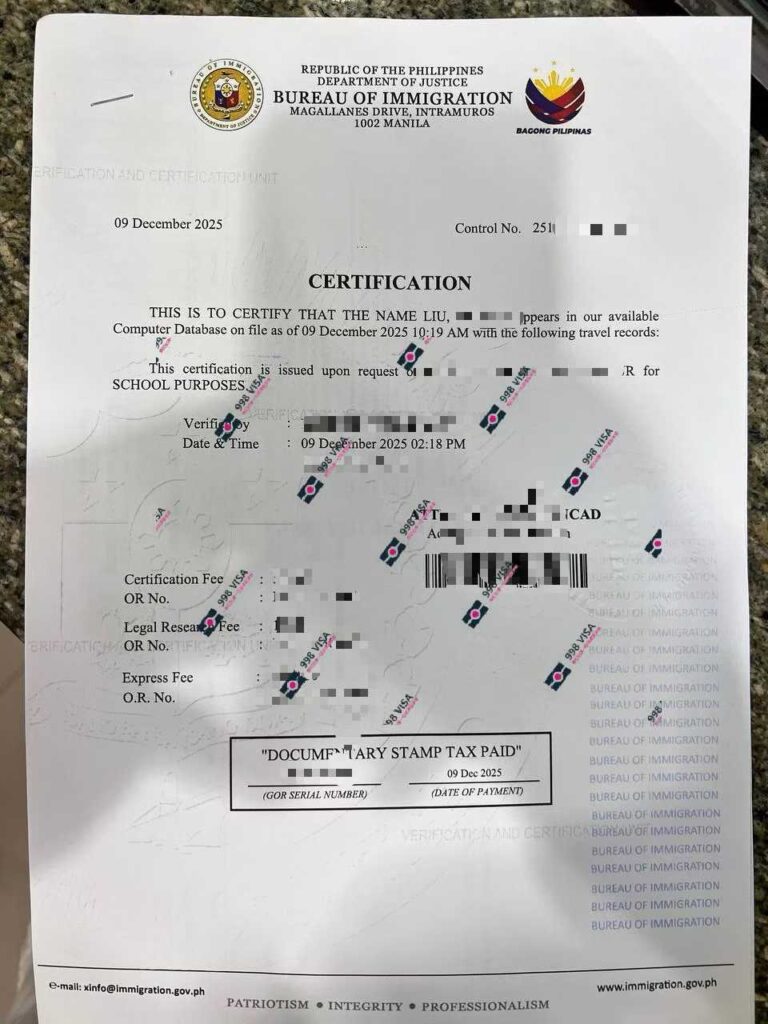
For fast, secure, and accurate processing of Philippine NTSP identity verification, record restoration, system synchronization, overdue processing, long-term visa applications, and other related services, please contact Philippine Chinese Immigration (998VISA).
WeChat: BGC998 / VBW333
Telegram: @BGC998 / @VBW777
Email: 998VISA@gmail.com
留言
發佈留言