The Philippine National Register of Sponsorship (NTSP) is used for SEC filings of senior executives' identities.
When foreigners hold positions such as directors, legal representatives, or financial officers in Philippine companies, the Securities and Exchange Commission (SEC) requires complete identity and residency records, with the NTSP being a key document. The SEC verifies whether the applicant has legal residency, whether there have been any visa interruptions, and whether there are any outstanding immigration records. If the NTSP information is abnormal, applications for senior executives' identities, capital increases, and structural changes may be rejected. Therefore, foreign executives should ensure their NTSP records are complete and accurate before submitting relevant documents to avoid affecting corporate governance and annual compliance.
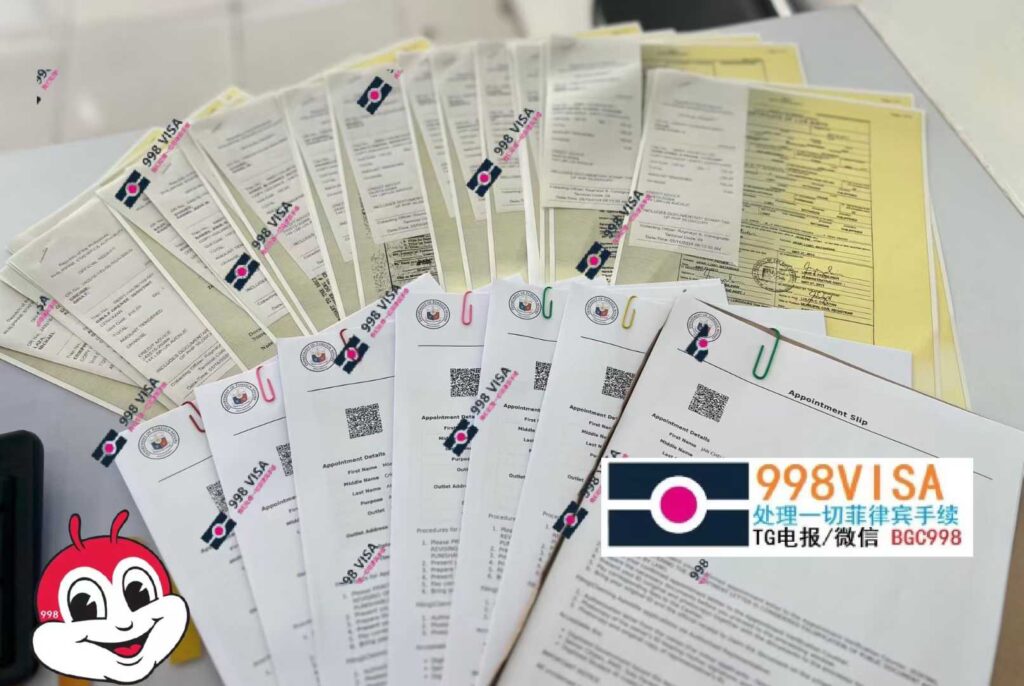
The Role of the Philippine NTSP in Multinational Company Expatriate Schemes:
Multinational companies frequently require Philippine expatriates to provide their NTSP (National Telecommunications Standard Required) to verify their legal status, length of stay, visa history, and employment compliance. This is particularly important when applying for foreign worker visas (9G), PEZA (Permanent Resident Visa), or Special Resident/Investor Visas. Company human resources departments often compare the NTSP with other documents to confirm the employee's continuity of status in the Philippines. Any discrepancies or irregularities in the NTSP may affect the expatriate's work visa renewal or relocation arrangements.
The Relationship Between Philippine NTSP Status Certificates and the Bureau of Immigration's Annual Report:
All foreigners holding long-term visas are required to submit an annual report between January and March each year. Failure to complete the annual report on time will be recorded as "Non-Compliance" by the Bureau of Immigration, directly impacting the issuance of the NTSP. When an applicant submits their NTSP application, the system will indicate the non-compliance and request a report; otherwise, processing cannot proceed. Therefore, long-term visa holders should ensure they complete their annual report to guarantee a smooth NTSP application process.
The use of the Philippine NTSP (National Nationwide Resident Identity Card) in international arbitration or overseas investigations:
Some applicants need to use their NTSP in overseas courts, international arbitration institutions, immigration applications, and background checks by overseas banks. While the NTSP is an official immigration history document and carries significant authority, for international use, it typically requires notarization, Department of Justice (DOJ) authentication, and Apostille processing by the Philippine Department of Foreign Affairs (DFA). The entire process can take 7–15 business days; advance planning is recommended to avoid impacting overseas processing time.
The Philippine NTSP (National Security Statute for Philippine Residents) will display "Cannot Issue
NTSP" if the immigration bureau encounters issues such as missing key data, duplicate identity, incompatibility with old passports, unsettled visas, or incorrect records during system review. In such cases, system repair is required, including record consolidation, ID verification, and passport linking. Only after the repair is complete can the application be resubmitted. If the applicant urgently needs the document for bank account opening, visa processing, or government filing, the repair process should be initiated as soon as possible.
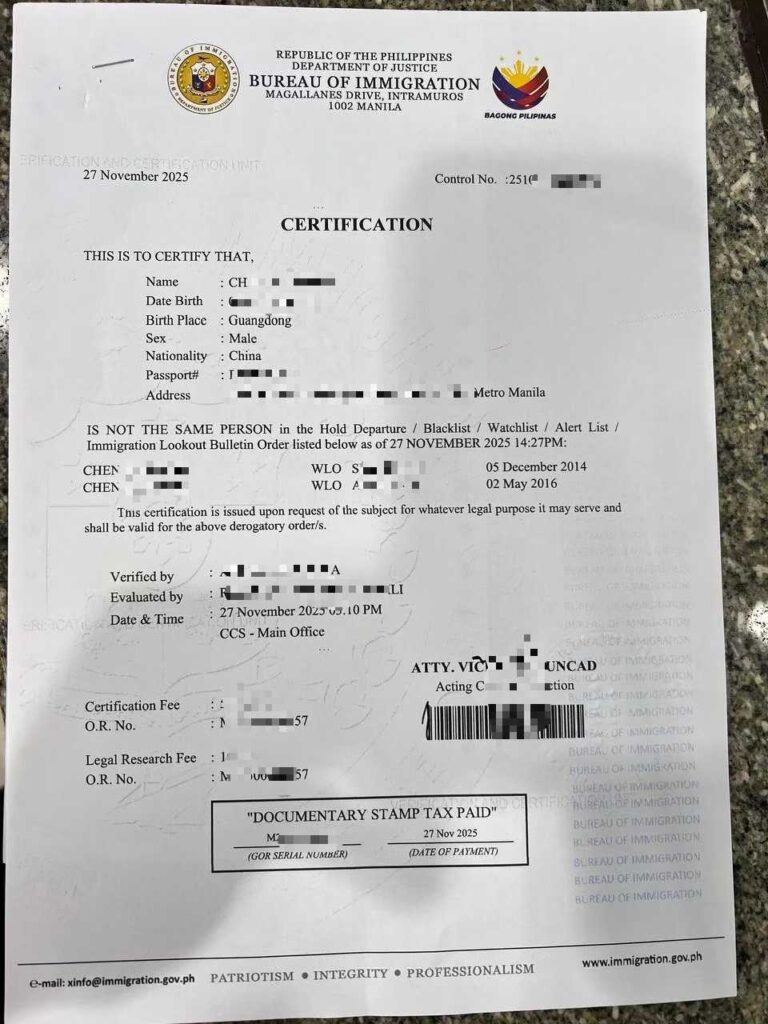
The Philippine National Register of Labor and Employment (NTSP) is used for employment compliance reviews of foreign employees
. When reviewing work permits for foreign employees (such as AEPs and 9G work visas), the Philippine Department of Labor and Employment (DOLE) and the Bureau of Immigration will first verify their entry and stay records. The NTSP proves that the employee has not worked illegally, stayed illegally, or had visa interruptions. If the NTSP record shows that the employee did not hold a valid visa at a certain period, the company may be required to submit an explanation and assume compliance responsibility. Therefore, companies should regularly require employees to update their NTSPs as part of their human resources management processes.
The Philippine NTSP (National Travel Permit for Residents) verification process compares the applicant's identity document against travel bans or watchlists
. If the applicant is on the Bureau of Immigration's watchlist, blacklist, hold-departure order, or warning list, the Bureau will automatically notify them during the NTSP review process. This status directly affects the issuance of the NTSP and may require further review or legal representation. For applicants preparing to depart, apply for long-term visas, or conduct banking business, checking their status in advance can avoid unnecessary risks.
The Necessity of Philippine NTSP Status Verification for Long-Term Investment Projects:
When foreigners invest in businesses, purchase apartments, or apply for investment visas (such as SIRV and SVEG) in the Philippines, the reviewing agency will require applicants to provide their NTSP to confirm their long-term legal residency status. This is used not only to verify legality but also to determine whether the applicant has the ability to reside there long-term. If the applicant's immigration history is interrupted, expired, or contains incorrect information, it will affect the investment eligibility review. Therefore, it is recommended that all long-term investors renew their NTSP every two years.
The optimal time to apply for the Philippine NTSP (National Passport Requirement Service) after passport renewal
: After renewing your passport, you need to synchronize your passport with the Bureau of Immigration (Passport Transfer). Applying for the NTSP without synchronization will result in documents showing incomplete records of your new passport's history. The ideal order is: synchronize your passport first, then verify your I-Card information, then verify your NTSP records, and finally submit your formal application. This order avoids rejection due to missing data.
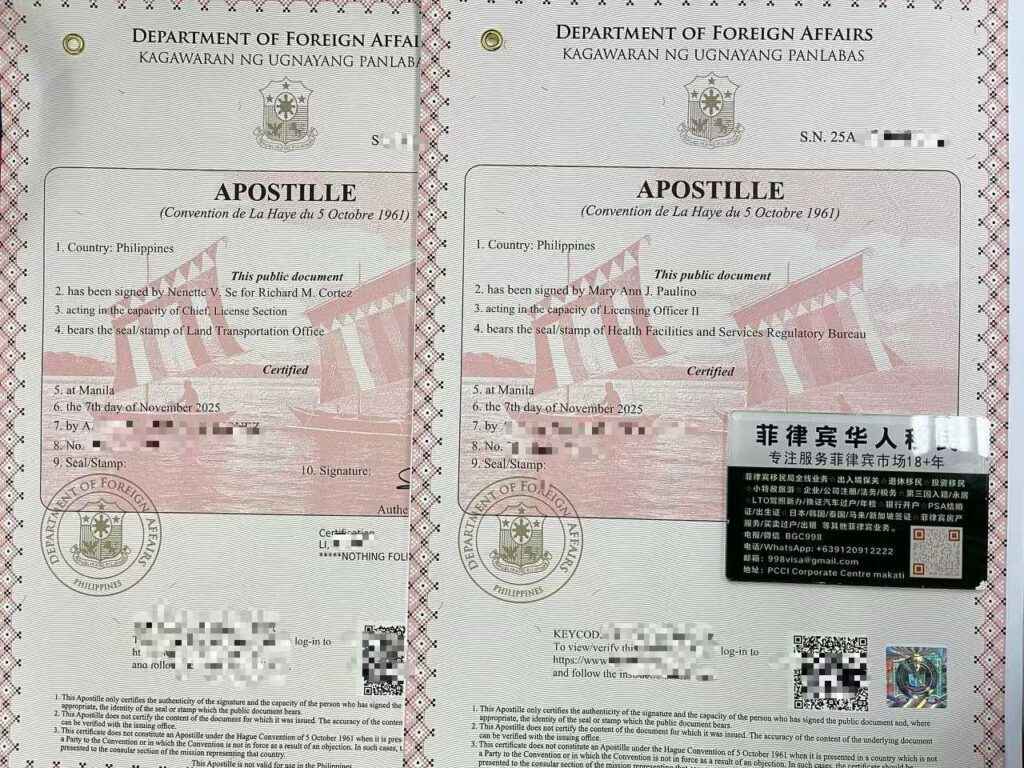
The Philippine National Register of Spouses (NTSP) is used for marriage, family reunification, and immigration applications.
When applying for marriage documents in the Philippines, obtaining a Philippine spouse visa (Section 13A), long-term residency for minor children, or submitting family reunification documents to overseas organizations, the NTSP may be required as evidence of the applicant's legal status for long-term residency. Incomplete NTSP records can affect marriage registration and immigration applications; therefore, applicants are advised to prepare them in advance.
Guidelines for the Preservation of Paper NTSP Identity Documents in the Philippines:
The NTSP is an official document of the Bureau of Immigration, and most banks, companies, and government agencies require the original document; photocopies or electronic copies are only supplementary. Therefore, applicants are advised to properly store the original paper document, avoiding damage or stains, and to make at least two high-quality scanned copies for future use.
Analysis of Common NTSP Identity Document Rejection Cases:
The most common reasons for NTSP rejections include: passport information not synchronized, visa not updated, overdue payment, incorrect I-Card record, duplicate file, system inability to compare old passports, and spelling discrepancies. Having a professional agency conduct a pre-application review can identify problems early, preventing rejections after the application enters the queue.
For fast, secure, and compliant processing of Philippine NTSP identity verification, system repair, overdue processing, passport synchronization, or long-term visa applications from the Bureau of Immigration, we recommend consulting Philippine (998VISA).
WeChat: BGC998 / VBW333
Telegram: @BGC998 / @VBW777
Email: 998VISA@gmail.com
留言
發佈留言