Troubleshooting Common Inconsistencies in Philippine NTSP Identity Documents
: When applying for a Philippine NTSP identity document, the most frequent problem applicants encounter is "inconsistency between system information and passport," such as incorrect entry date, missing departure records, old passport not synchronized, or outdated visa conversion information. These issues require meticulous verification of passport pages, old passport records, immigration receipts, and I-Card information. Professionals should compare the information against the system database and submit an information correction request. The correction process typically includes submitting a formal application, waiting for backend comparison, and providing boarding records or airline verification if necessary. Only after the correction is completed can an official NTSP document be generated, usable for banking and government purposes. Directly applying for the document will result in errors and rejection by the issuing institution; therefore, preliminary checks are extremely crucial.
Can Philippine NTSP (National Telecommunications Standard) Identity Verification Be Used in Real Estate Transactions
? When purchasing apartments, land, or transferring property in the Philippines, developers, real estate lawyers, and the Registry of Deeds often require applicants to submit an NTSP to verify the long-term residency status and compliance of foreigners. If the NTSP record shows that the applicant has overstayed their visa, has an illegal visa status, or their identity has not been updated, it will affect contract signing or loan approval processes. To avoid transaction delays, it is recommended to obtain the latest NTSP and confirm that there are no abnormal records before formally signing the contract, which is especially important for buyers holding short-term visas who plan to reside there long-term.
The Philippine NTSP (National Security Statute of SP) is used for bank anti-money laundering (AML) checks.
Philippine banks, when enforcing AML/KYC regulations, need to verify customers' long-term stay records and identity compliance. The NTSP is the only official document that can present the Bureau of Immigration's historical records. Many banks require the latest NTSP when opening accounts, upgrading account levels (such as to "Premium Customer"), and adjusting overseas remittance limits. If the NTSP reveals irregularities in the stay record, the bank may postpone or even refuse to open an account. Therefore, it is recommended that customers prepare their Bureau of Immigration records in advance when preparing for banking transactions and verify the accuracy of their information through the NTSP.
Feasibility of Cross-Regional Processing of Philippine NTSP Identity Documents:
Some applicants do not reside in Manila but live in areas such as Cebu, Davao, Clark, and Bacolod. Although the NTSP is a unified system, different immigration branches in different regions may have different scopes of application. Some branches can only process applications from local residents, while others require official documentation from the main branch in Manila. Professional agencies can assist in determining whether it is necessary to process the application at the main branch and handle cross-regional document transfer, reducing travel costs for applicants.
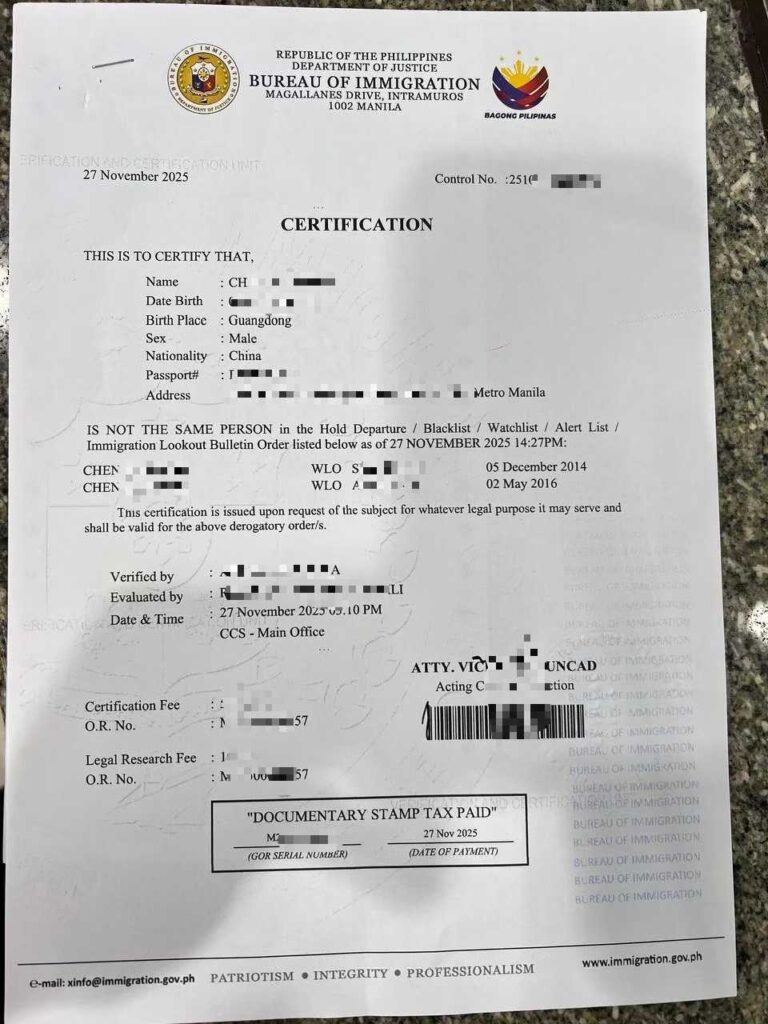
In most cases, both the Philippine NTSP identity certificate and the NBI criminal record check
must be submitted simultaneously. Examples include: bank compliance reviews, company shareholder registration, court document processing, and long-term visa upgrades. The NTSP presents the Bureau of Immigration records, while the NBI presents national criminal records; both are indispensable. If the applicant has previously used multiple passports or frequently changed visas, it is recommended to submit both documents concurrently to ensure timely processing and increase the chances of approval.
The Philippine NTSP identity verification process requires
some immigration offices to retake photos or require applicants to undergo facial verification when processing NTSP applications to confirm that their identity matches the system. This is especially true if the applicant has changed their passport, name, has not reported to the immigration office for an extended period, or if the photo in the system is outdated. This process has limitations for agents, so it is crucial to understand in advance whether the applicant's personal presence is required.
The Philippine National Register of Sponsored NTSP (NTSP) is used for KYC (Know Your Customer) verification of
foreign shareholders or legal representatives in Philippine companies. When conducting annual audits, opening company bank accounts, and signing capital structure change documents, the SEC and banks often require the NTSP to verify the shareholder's identity and residency status. If the NTSP shows missing records or illegal stay, business approvals will be stalled. Corporate clients should renew their NTSP annually to facilitate corporate governance and foreign investment audits.
Does the Philippine NTSP identity document require translation and notarization?
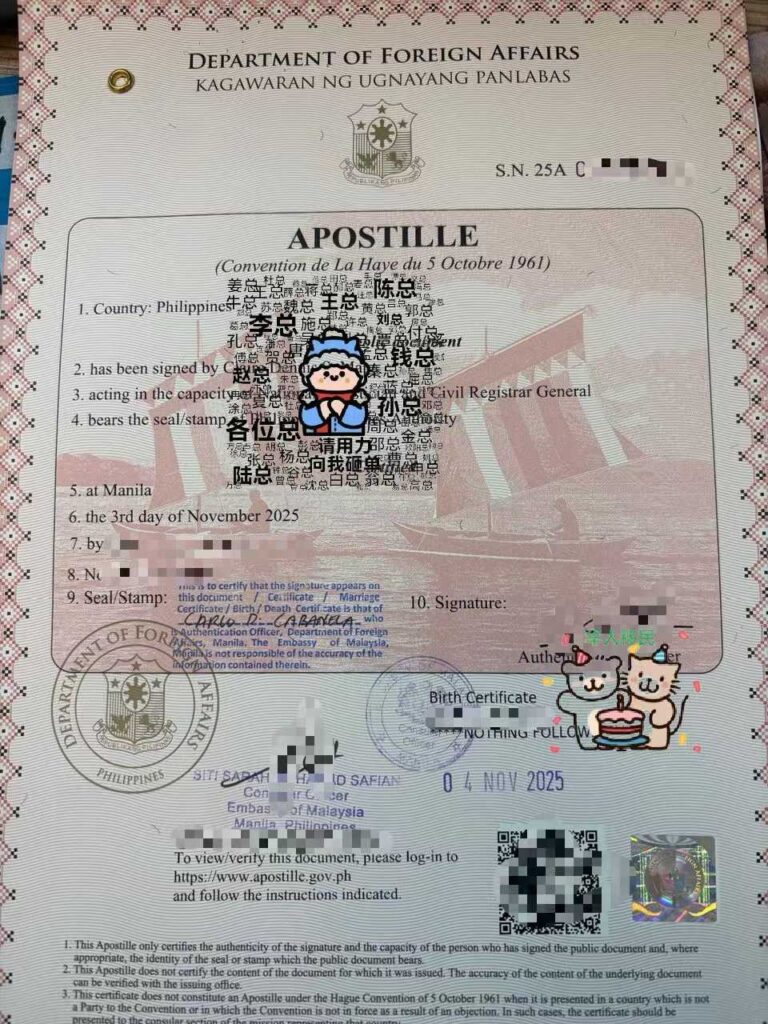
The NTSP itself is an English document, which most banks and government agencies can use directly. However, if the document needs to be submitted to foreign institutions (such as Chinese courts, foreign immigration bureaus, multinational company reviews, etc.), the applicant may need to have the NTSP notarized, authenticated by the Department of Justice, and submitted to the Philippine Department of Foreign Affairs (DFO) for apostille. Professional agencies can provide a full-process service, including translation, legal authentication, and submission to the DFO, improving the compliance of the document for cross-border use.
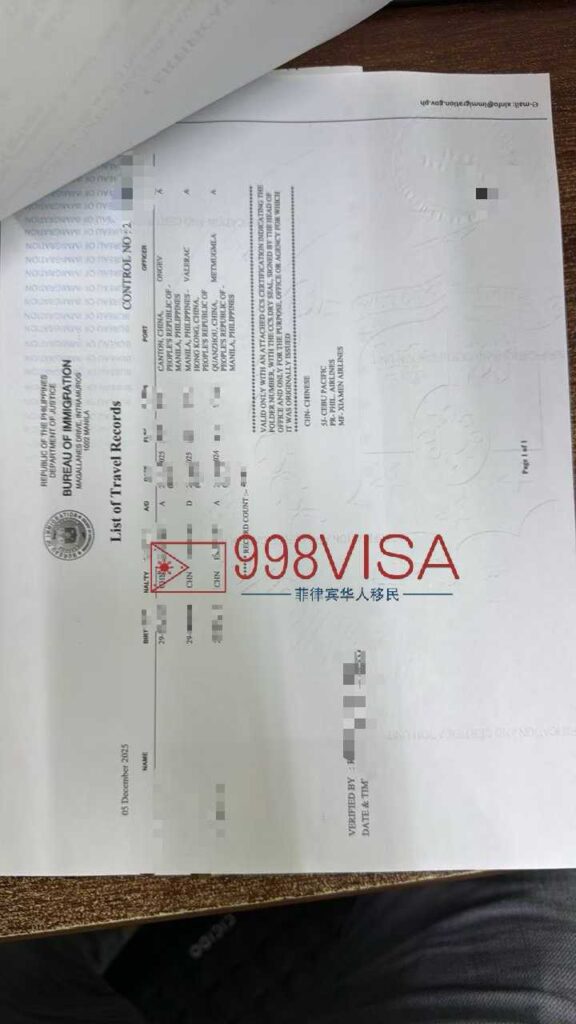
The Philippine Immigration Bureau (IBB) prioritizes several key aspects when processing NTSP expedited identity verification
applications. These include visa validity, recent overstay records, I-Card synchronization, passport information consistency, and whether the applicant is on the IIB's watch list. Any anomalies detected will automatically result in rejection of the expedited application and revert to standard processing. Therefore, expedited applications must undergo professional pre-screening to ensure completeness and safety of documentation.
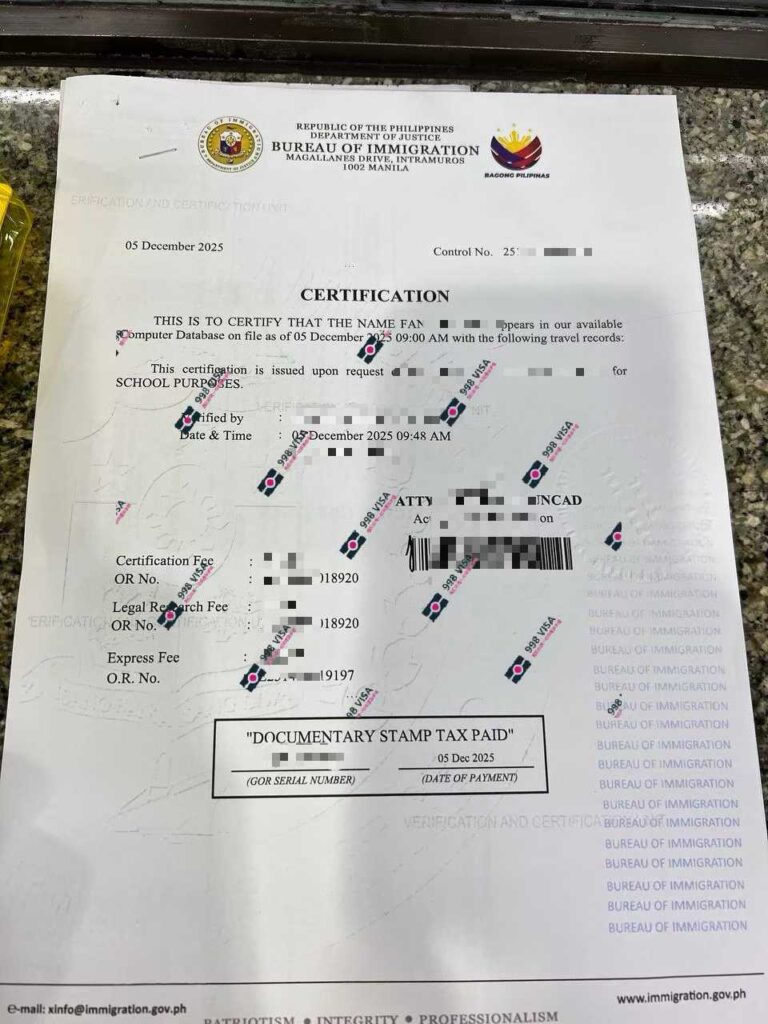
Currently, the Philippine Bureau of Immigration does not offer a public online verification system for NTSP identity documents
. However, its internal system allows verification by scanning barcodes. Banks, law firms, and government agencies verify document authenticity through official hotlines or verification channels. Therefore, applicants should avoid obtaining documents through unauthorized intermediaries or unofficial channels to prevent triggering anti-money laundering investigations by banks or immigration authorities.
The Philippine National NTSP (National Travel Permit for Singapore) is used for document verification by travel agencies and airlines.
Some airlines and travel agencies require an NTSP when processing special tickets, visa assistance, and long-stay documents for long-term foreign residents to verify the applicant's legal long-term residency history. For example, when applying for long-term student visas, work visas, or quota-based immigration visa transfers, airlines and travel service providers sometimes assist in verifying identity status. The NTSP serves as supplementary proof in such scenarios.
In the Philippines, NTSP (National Security Bureau for Philippine Residents) handles passport number changes.
After a passport replacement, the Bureau of Immigration's system must correctly synchronize the old and new passport numbers; otherwise, the NTSP will display incomplete records or show duplicate identities. Applicants who have changed their passports should first confirm whether the Bureau of Immigration has completed "passport update synchronization." Those whose passports have not been synchronized need to complete the update process first; otherwise, the NTSP will reject the application or display an error. This process is often overlooked, but it has a significant impact on corporate clients and banking operations.
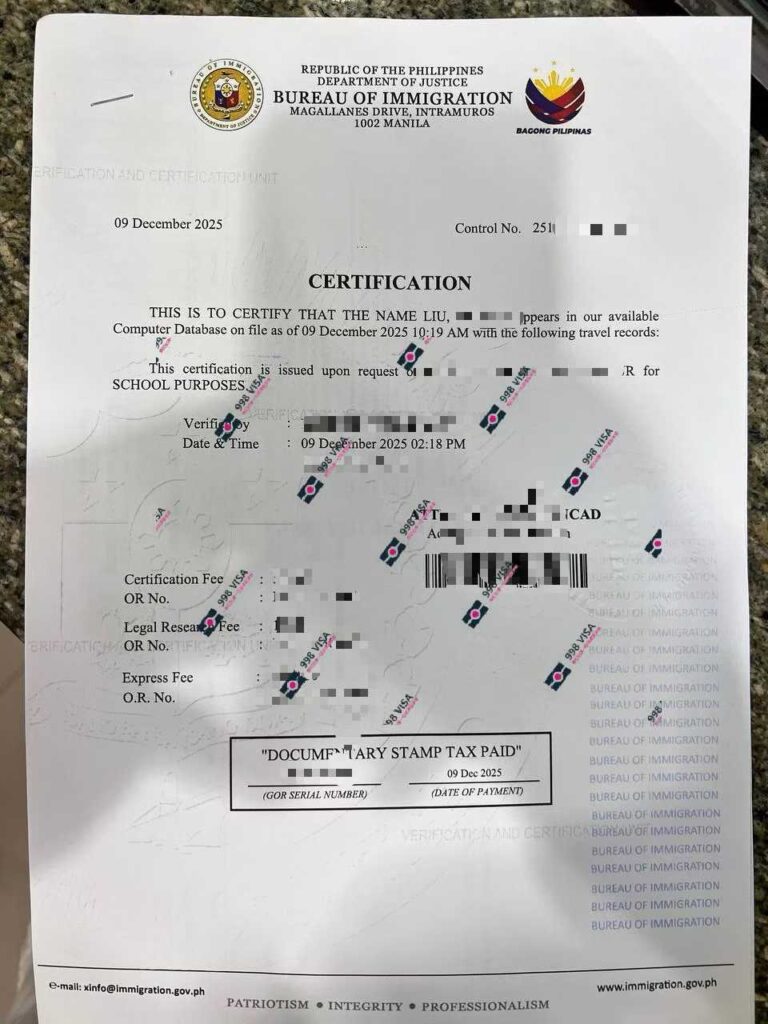
For fast and secure processing of Philippine NTSP identity verification, system record repair, visa renewal, exit clearance, or long-term residency applications, please contact Philippine (998VISA).
WeChat: BGC998 / VBW333
Telegram: @BGC998 / @VBW777
Email: 998VISA@gmail.com
留言
發佈留言