The Philippine NTSP identity document history verification process
is crucial. The most critical information in the NTSP identity document is the applicant's entry and stay history in the Philippines; therefore, a "history verification" is essential before applying. Applicants can prepare all pages of their passport with entry and exit stamps, old passports, electronic boarding passes, airline itineraries, etc., for a professional team to assist in comparing them with the immigration system. If any omissions are found, such as an unrecorded entry, inconsistent departure dates, or old visa numbers remaining in the system after a visa change, the records must be corrected before applying for the official NTSP. Accurate record verification not only speeds up the processing of the application but also ensures that the NTSP can be used smoothly for banking, government, or legal purposes.
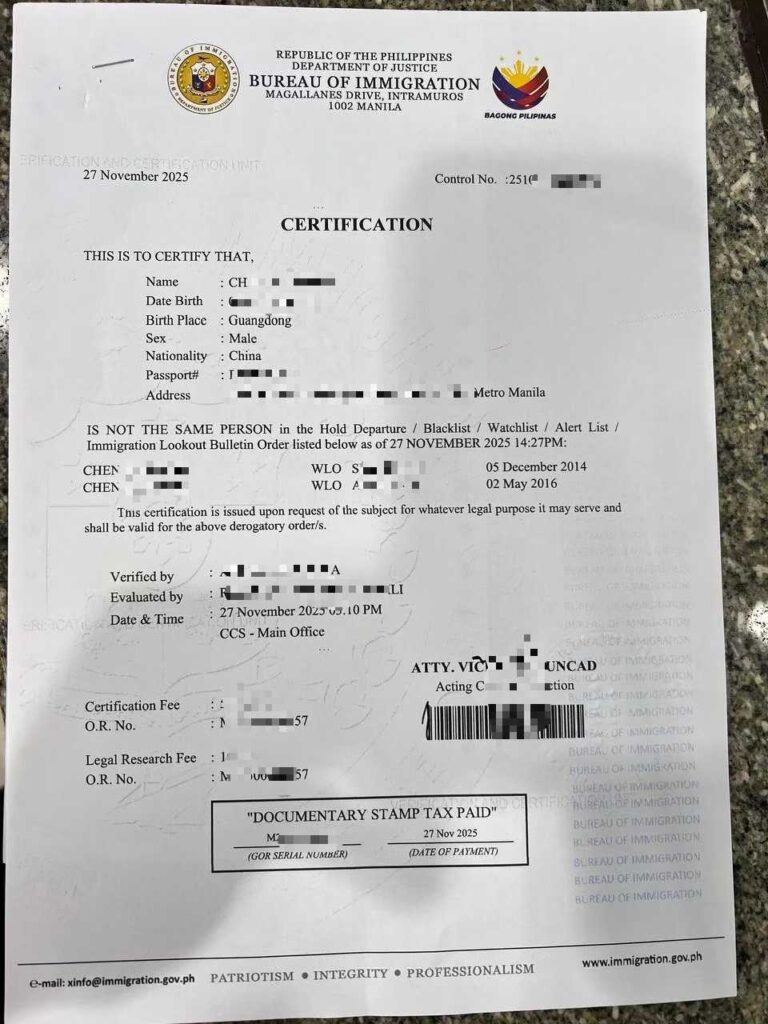
Key Points for Obtaining a Power of Attorney for Philippine NTSP Identity Verification:
If the applicant is unable to visit the Bureau of Immigration in person, a power of attorney can be prepared for an agent to handle the process on their behalf. The power of attorney must include passport information, signature, clearly define the authorized items, and be accompanied by a copy of the passport and the agent's identification. Some Bureau of Immigration counters accept electronically signed powers of attorney, but the General Bureau generally requires a paper copy with a signature. If sensitive matters are involved, such as record retrieval, file searches, or overstay processing, the Bureau of Immigration may require the applicant to provide video authorization or additional verification; therefore, the authorization process must be accurate and standardized.
The Philippine NTSP (National Tax Registration Certificate) is used by the Bureau of Revenue (BIR)
when registering a foreigner as a company owner or legal representative. The BIR requires applicants to provide legal identity documents, and the NTSP serves as a crucial supporting document for verifying this. It is particularly important when applying for a Tax Identification Number (TIN) and business registration, where the BIR frequently uses the NTSP to verify the applicant's legal residency status and entry date. If the NTSP shows irregularities, the BIR may reject the application or request supplementary information, impacting the business registration process.
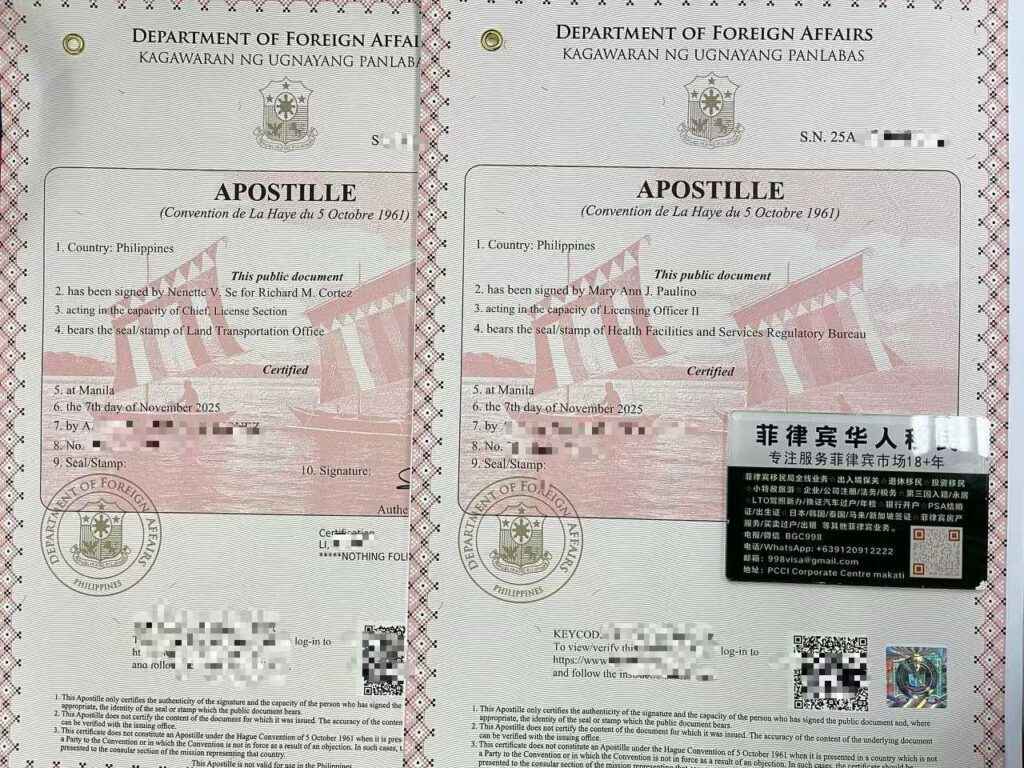
Occasionally, the Philippine National Immigration Service (NTSP) identity verification system
experiences issues such as inability to query records, record loading failures, and conflicts with old records, temporarily preventing NTSP data generation. These problems typically require processing by the Technical Department (BI System Management Division), which can take several days. Professional agencies can expedite the verification process through internal procedures, such as submitting screenshots of records, passport scans, and official receipts to help compare original files, accelerate system data recovery, and thus shorten application time.
The Philippine National NTSP (National Travel and Residence Permit) is used for long-term visa applications (SRRV, SIRV, 13A, etc.).
When applying for a long-term residency visa in the Philippines, the Bureau of Immigration and relevant government departments typically need to verify the applicant's stay history and visa legality. The NTSP provides a comprehensive overview of the applicant's visa changes in the Philippines and is of significant reference value in verifying whether a foreigner is legally residing in the Philippines long-term. If the applicant has a history of overstaying, failing to update passport records, or frequent short-stays, the reviewing department may require further explanation. Therefore, obtaining the correct NTSP in advance can avoid delays in the visa application process.
Analysis of Reasons for NTSP Identity Document Rejection or Return:
NTSP applications are typically rejected for the following reasons: expired visa, outstanding overstay fines, duplicate identity detected in the system, missing records, passport information not synchronized, and mismatched identity verification. If your application is returned, you need to address each issue according to the immigration bureau's instructions. This includes submitting replacement receipts, updating records, and submitting old passports. A professional team can pre-screen documents, significantly reducing the probability of rejection.
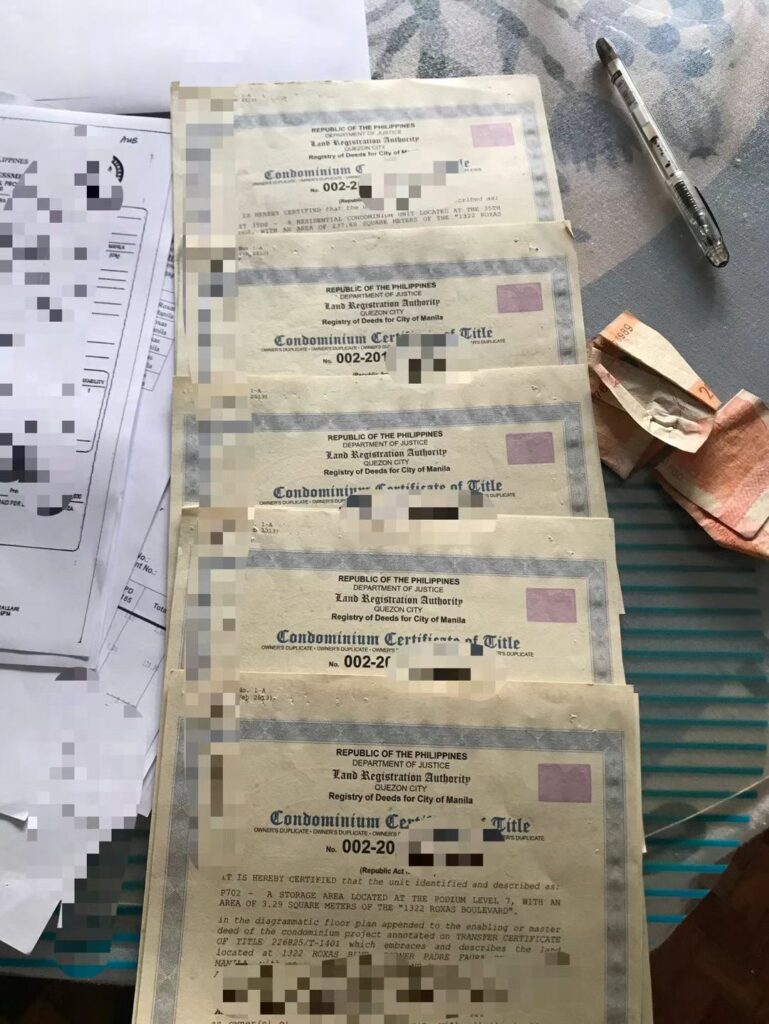
The Philippine NTSP (National Security Statute of the Sponsored Resident Identity Card) is used in court affidavits.
When handling inheritance, marital status declarations, or providing evidence in civil disputes in the Philippines, lawyers or courts may require applicants to provide their NTSP as background documentation to prove their length of stay, legal entry status, and other information. If the document is to be used for international legal purposes, it can also be notarized and authenticated by the Department of Foreign Affairs (DFO). These processes involve multiple government departments, so it is advisable to plan your time in advance.
The difference between the Philippine NTSP (National Travel Certificate) and the CE
(Entry Certificate): The NTSP records a foreigner's overall visa status and stay history, while the CE is a document proving a single entry. If an applicant only needs to prove the date of a specific entry, the CE is more suitable; if it is needed for bank or government filings or comprehensive identity verification, the NTSP is more authoritative and complete. Corporate clients usually require both to ensure no omissions in the verification process.
The Philippine NTSP (National Security Statute of Limitations) identity verification document format guidelines:
NTSPs issued by the Bureau of Immigration typically include an official barcode, seal, issuing officer's name, issuance date, applicant's identity information, and a summary of visa history. Different offices may use slightly different formats, but the core data remains consistent. When submitting to banks or government agencies, both electronic and paper copies must be retained. For long-term archiving, it is recommended to scan and preserve the original document for future reuse or comparison.
Common Required Documents for Philippine NTSP Identity Verification
Application: When applying for the NTSP, you will typically need to provide: original passport, all passport entry and exit stamps, visa sticker, ACR I-Card (if applicable), payment receipt, old passport, power of attorney (if applying through an agent), and a white background photo (required at some counters). If any document is missing, the immigration office may delay processing or request additional documents; therefore, be sure to prepare everything before going to the immigration office.
The processing time for Philippine NTSP identity verification
can vary due to factors such as seasonal peaks (back-to-school season, major holidays), system maintenance, policy adjustments, customer traffic at service windows, and the completeness of the applicant's documents. If the applicant has any record irregularities or needs correction, the processing time will be further extended. Advance review and appointments with professional agencies can effectively reduce delays caused by uncontrollable factors.
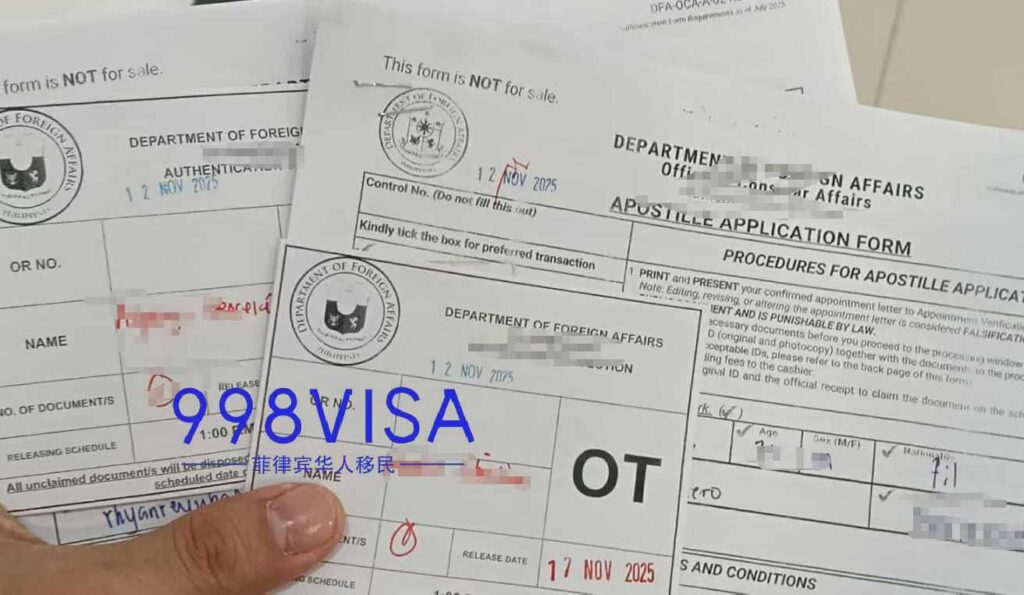
Explanation of Philippine NTSP Identity Verification Government Fees:
NTSP fees are officially set by the Philippine Bureau of Immigration and typically include application fees, system fees, and document fees. Additional service fees may vary slightly depending on the window or region, but the core fees are consistent. Expedited processing generally requires an additional fee, but whether expedited processing is actually possible depends on the system status and the completeness of the records. The transparent fee structure allows applicants to budget costs in advance and avoid being overcharged.
For fast, secure, and compliant processing of Philippine NTSP identity verification, record repair, visa extension, or long-term visa applications, we recommend contacting Philippine (998VISA).
WeChat: BGC998 / VBW333
Telegram: @BGC998 / @VBW777
Email: 998VISA@gmail.com
留言
發佈留言