Philippine Immigration Bureau (BIB) services include: non-identical criminal record checks, NTSP
(National Certificate of Residential Permit), ECC (Exit Certificate of Compliance)
, work visa/long-term visa processing, lost order replacement
, passport transfer/entry record/visa record/permanent residency stamp/investment immigration/retirement
immigration visa stickers, Philippine investment immigration success stories,
third citizenship applications for Chinese visas/family visits/tourism/business, BIB entry/exit record printing, ACR (Account Name Record) identity document printing, NTSP certificate application, BiCC (Bilateral Compliance Code) immigration list application, visa application, renewal, transfer, downgrade, customs clearance, non-identical criminal record checks, stamp transfer, stamp replacement, card replacement, order replacement, customs clearance assistance, blacklist inquiries, visa status, entry/exit and renewal records, departure slips and deportation orders, work visas, birth certificates, passport replacement, travel document replacement, NTSP, NBI, Hague Apostille, driver's licenses.
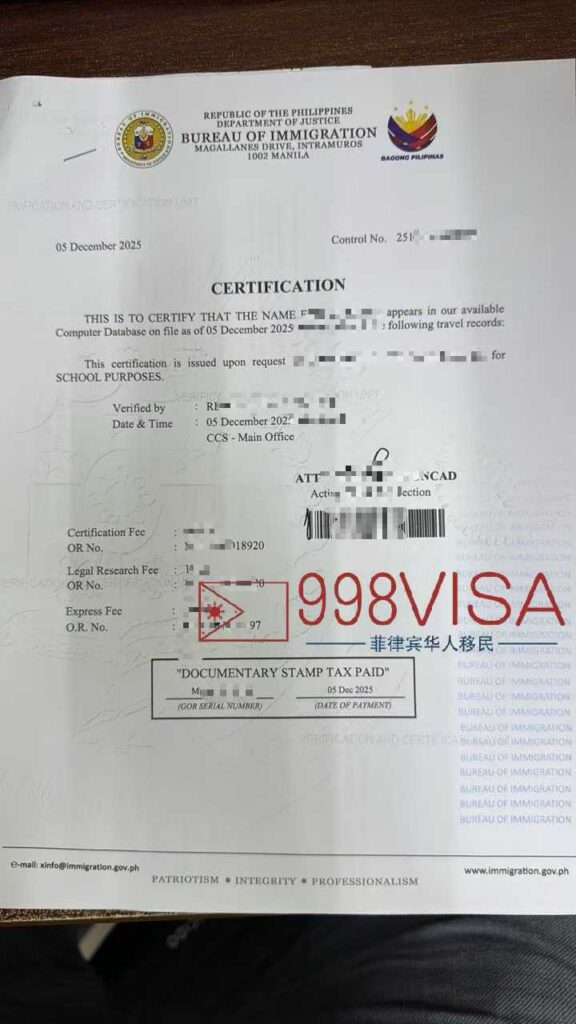
In the Philippines, NTSP identity verification at the Bureau of Immigration typically requires the applicant to be present in person. This includes verifying passport and visa type, stay history, fingerprinting, and taking a photograph. Therefore, confirming the Bureau of Immigration's office hours, required documents, and application window location in advance is crucial. If the applicant intends to reside in the Philippines long-term and needs their identity for banking, company registration, government filings, etc., it is recommended to prioritize processing at the official window to ensure documents can be verified smoothly by various departments. Considering long queues and frequent minor policy changes, having a professional agency confirm the latest procedures beforehand can effectively reduce waiting time.
The Philippine NTSP (
National Bureau of Immigration and Customs Enforcement) identity document is primarily used to prove a foreigner's entry, stay, and immigration status in the Philippines over a past period. Common uses include opening bank accounts, company establishment, real estate transactions, long-term visa upgrades, government filings, and court certifications. This document is issued by the Philippine Bureau of Immigration and is officially authentic and verifiable; therefore, businesses and government departments generally require the original. As institutions tighten their scrutiny of compliance documents, applicants must ensure that the NTSP information matches the actual records to avoid discrepancies affecting their applications.
The Philippine Bureau of Immigration typically categorizes NTSP (National Travel Permit for Residents) status certificates into
standard and expedited processing. Standard processing may take several days, while expedited processing can significantly shorten the processing time if the documents are accurate and the system is functioning correctly. Expedited processing usually requires stricter document review, including visa validity, length of stay, and records of overstay and fines. If there are long-term overstays or missing records, renewals and fines must be settled first before expedited processing can begin. A professional team can pre-screen documents to avoid expedited processing failures due to record anomalies.
In the Philippines, some applicants find discrepancies between their NTSP (National Travel Certificate)
information and their actual stay records, such as missing multiple entries, missing departure records, or outdated records after visa transfer. In such cases, "Record Rectification" by the Bureau of Immigration is required. This typically involves submitting documents such as the old passport, boarding records, and Bureau of Immigration receipts. Only after the rectification is completed can a new application for the correct version of the NTSP be submitted. This type of work is highly specialized and should be handled by an agency familiar with the Bureau of Immigration's system to avoid causing further record discrepancies.
The Philippine National Security Statute (NTSP) is used for investigations by Philippine courts and the government.
Philippine courts, police departments, and investigative agencies often require the NTSP as supplementary proof of identity and activity when handling civil disputes or conducting background checks. The NTSP shows information such as the applicant's legal status in the Philippines, entry date, and visa status changes, which is crucial for verifying the legality of an individual's identity. If the chain of evidence is complex, it may need to be combined with documents such as a Bureau of Immigration certification and Apostille certification; therefore, advance planning is necessary.
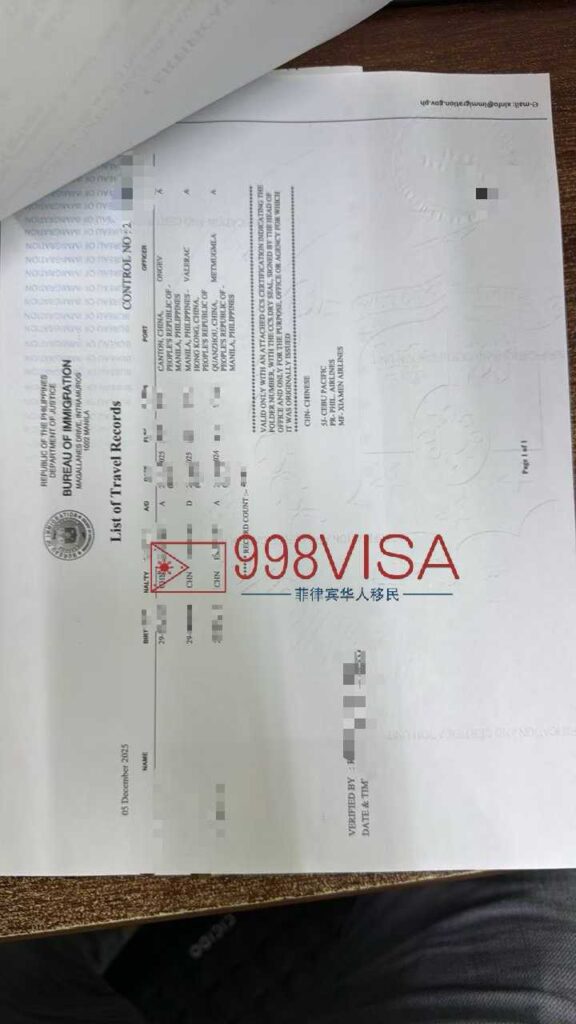
The process for replacing a lost Philippine NTSP ID card:
If your NTSP ID card is lost, you can apply for a replacement from the Bureau of Immigration. The replacement process is basically the same as the initial application, but the Bureau of Immigration may require you to fill out a loss declaration or provide additional proof of identity. If the application is made recently, the Bureau of Immigration may reprint it directly; if the interval is longer, they will need to re-verify your identity records. To avoid future discrepancies, it is recommended to check the records in the Bureau of Immigration's system simultaneously.
Philippine NTSP proof of residency is required for banking transactions.
Major Philippine banks (BDO, BPI, Metrobank, Security Bank, etc.) frequently require NTSP proof when opening or upgrading accounts to verify the applicant's legal residency status. Banks may refuse to accept proof if the applicant's visa is about to expire or if there are outstanding overstay penalties. Therefore, it is essential to confirm your visa status and update your immigration records before applying for banking services.
The validity period of the Philippine NTSP (National Telecommunications Standard) identity document is determined
by its validity period. The NTSP is an immediate status certificate and does not have a fixed "expiration date." However, most banks, companies, and government departments only accept versions issued within the last three months. Therefore, it is recommended to apply for the latest NTSP just before submitting it to ensure that the information is synchronized with the system and to avoid rejection due to an outdated version.
The Philippine NTSP (National Telecommunications Service for Residents) identity verification
system requires online appointments in some areas, particularly the Main Office, to control visitor flow. Those without appointments often cannot enter the processing hall, impacting processing time. Professional service agencies can assist with appointment scheduling and submission arrangements, preventing applicants from wasting time queuing.
Can Philippine NTSP identity verification be handled by an agent?
In most cases, NTSP verification can be handled by an authorized agent, requiring only a letter of authorization and a copy of the passport. However, if there are system anomalies, fingerprints need to be collected again, or identity verification is required, the Immigration Bureau will require the applicant to appear in person. Professional agencies will first check the system status before determining whether the applicant needs to appear in person, reducing unnecessary trips for the applicant.
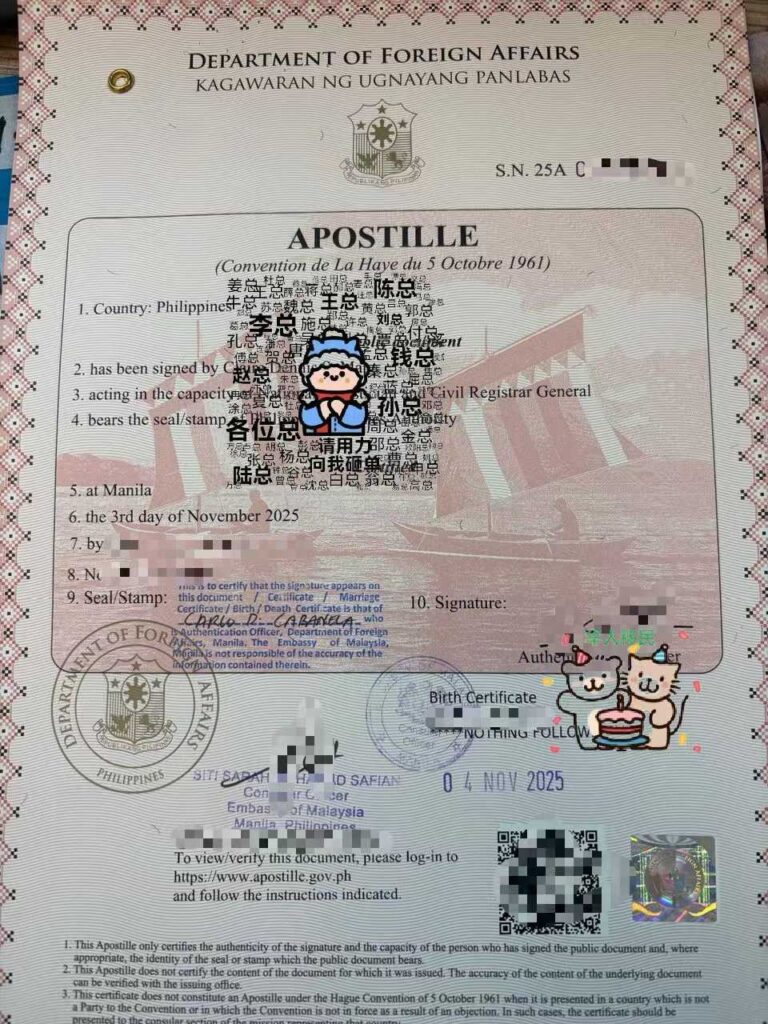
The Philippine NTSP (National Telecommunications Standard) is used for company registration and government filings
. In Philippine SEC company registration, DTI (Department of Taxation) services, BIR (Bureau of Immigration and Revenue) tax registration, municipal permits, and other scenarios, the NTSP is often used as proof of a foreigner's legal status. If the NTSP information of the company's legal representative or shareholders does not match their passport or visa, it will affect the approval process for company documents. Business clients should ensure the accuracy of their NTSP information before applying.
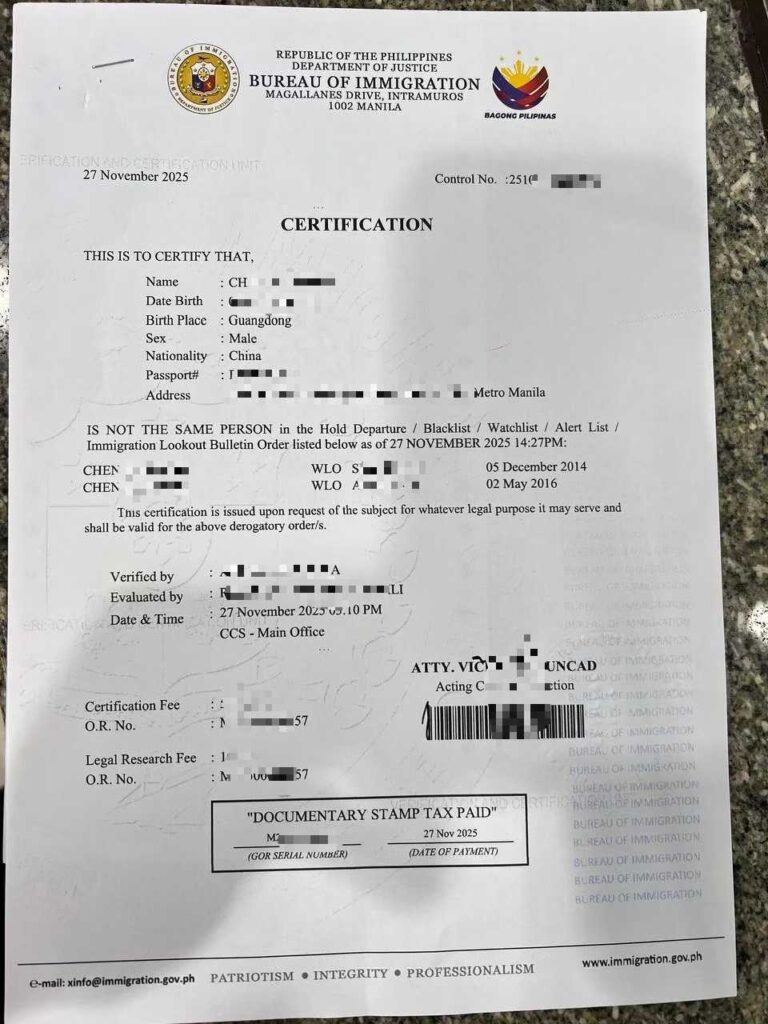
The Philippine NTSP (National Bureau of Immigration Service) identity verification document differs from other Bureau of Immigration documents
such as the NBI, ECC, CI, and AEP. The NTSP focuses solely on Bureau of Immigration visa records and does not include criminal records or work permit information. Therefore, multiple documents are often required when applying for work visas, long-term residence permits, etc. Understanding the differences between these documents helps applicants prepare materials accurately and reduces unnecessary requests for additional documentation.
For fast, secure, and professional processing of Philippine NTSP identity verification, immigration record repair, visa renewal, and other related services, we recommend consulting Philippine Chinese Immigration (998VISA).
WeChat: BGC998 / VBW333
Telegram: @BGC998 / @VBW777
Email: 998VISA@gmail.com
留言
發佈留言